How Can You Tell If a Used Car Is Reliable?
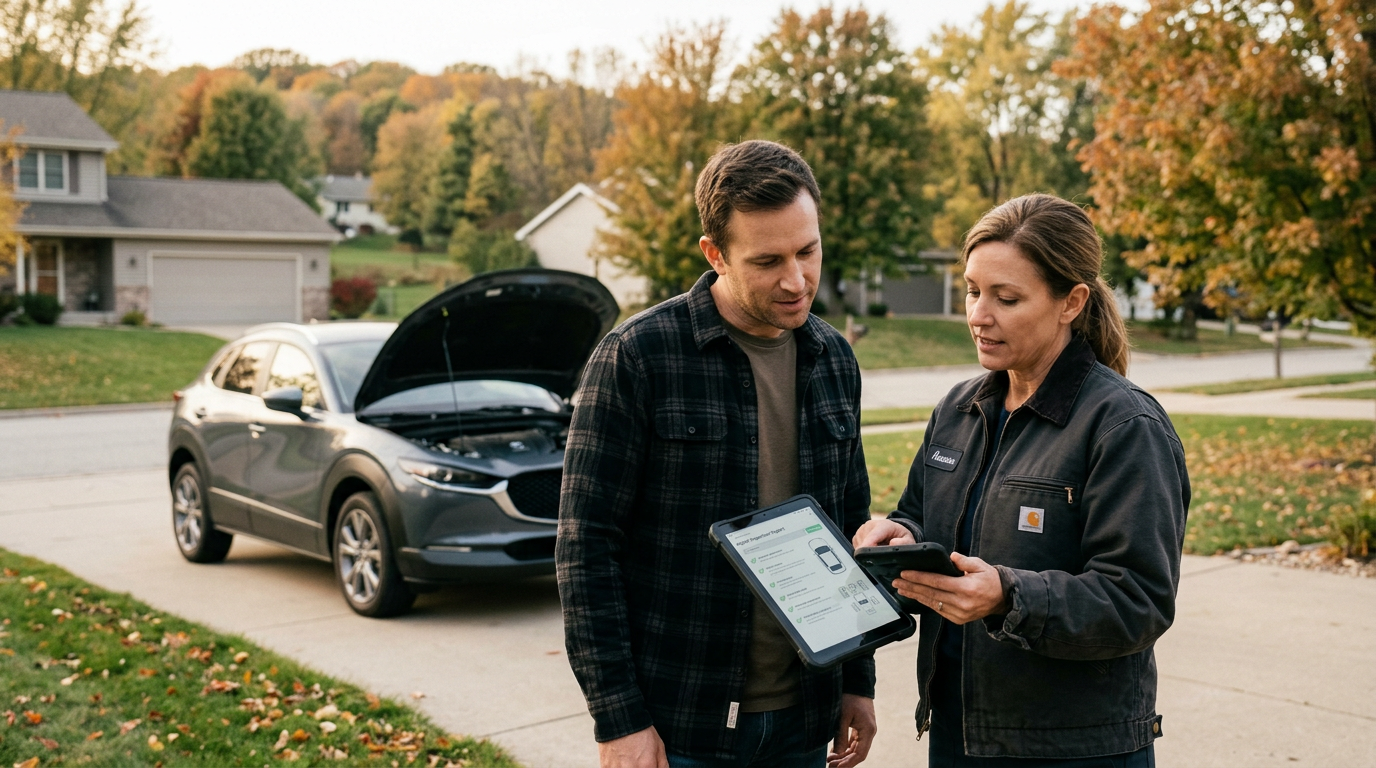 Evaluating a used vehicle’s reliability requires reviewing a comprehensive vehicle history report for clean title and accident records, verifying consistent maintenance records, checking safety recall status, and performing a thorough pre-purchase inspection. Examining fluid levels, tire wear, mechanical components, and underlying frame condition reveals real-world durability far beyond surface appearance or odometer readings alone.
Determining whether a pre-owned vehicle will remain dependable over years of daily commuting involves analyzing both documented background records and present mechanical health. While cosmetic condition gives a good first impression, true reliability rests on how well the engine, transmission, and structural frame have been cared for by previous owners. Checking whether routine service intervals were followed provides direct insight into how long key mechanical systems will last.
A detailed paper trail is essential when judging overall dependability. Service records showing regular oil changes, fluid flushes, and brake service indicate that a vehicle was maintained proactively rather than reactively. Conversely, long gaps in service history or missing records should prompt a closer look at wear-and-tear items under the hood. Verifying that all manufacturer safety recalls have been properly completed through an official check ensures that critical safety systems meet factory standards.
A test drive should simulate your actual driving conditions to assess real-world performance. Testing acceleration on highway entry ramps, listening for unusual suspension noises over bumps, and feeling for smooth gear transitions in the transmission help reveal hidden issues. Drivers hauling boats or equipment near Smithville Lake should also verify that the towing capacity and cooling system are in sound condition before making a buying decision.
If you have questions about inspecting a pre-owned vehicle or want to examine our inventory in person, our knowledgeable team is ready to assist. You can find our showroom location at 1098 US, Smithville, MO 64089 or give our team a quick call to speak with a representative today.
Table of Contents
- Should You Buy a Used Car From a Dealer or a Private Seller?
- How Do You Check a Used Vehicle History Report and Title Status?
- What Should You Check During a Pre-Purchase Vehicle Inspection?
- What Is Considered Good Mileage and When Do Major Repairs Begin?
- How Do You Determine the Fair Market Price Before Buying?
- Common Questions About Buying a Used Vehicle in Smithville
- Finding Your Next Dependable Vehicle at Smithville Ford, LLC
Should You Buy a Used Car From a Dealer or a Private Seller?
Purchasing a used vehicle from an established dealership offers legal consumer protections, available warranty coverage, trade-in flexibility, and structured financing options, whereas private sales carry higher individual risk with no return policy or regulatory oversight.
Comparing dealership purchases against private seller transactions highlights significant differences in buyer protection and long-term security. Federal regulations require dealerships to display clear buyer guidance on every pre-owned vehicle, explicitly stating whether the vehicle includes warranty coverage or is sold as-is. Reputable dealerships also perform multi-point mechanical inspections and reconditioning on incoming stock before offering vehicles to the public, ensuring that basic safety standards and operational checks are satisfied.
Private sales often feature lower listed asking prices because individual sellers do not carry commercial overhead costs. However, private transactions are almost universally final and sold without express or implied warranties. If an undetected transmission failure or engine issue arises shortly after paying a private seller, the entire financial burden falls on the buyer. Private sales also require buyers to handle title transfers, lien releases, and bill-of-sale documentation entirely on their own through state registration offices.
Shopping through a dealership simplifies the transaction process by combining vehicle selection, trade-in evaluation, and vehicle financing under one roof. Buyers can apply the value of their current vehicle directly toward their purchase, reducing the total amount financed. For shoppers exploring affordable choices, checking our pre-owned vehicle inventory provides access to inspected models backed by transparent documentation. If you plan to replace your current ride, you can easily value your trade-in online to establish your purchasing budget before visiting the lot.
How Do You Check a Used Vehicle History Report and Title Status?
Checking a vehicle history report begins with retrieving the 17-character Vehicle Identification Number (VIN) located on the driver-side dashboard corner or door pillar and running it through official databases and history providers.
A complete history report aggregates data from state motor vehicle departments, auto auctions, insurance carriers, and repair facilities to build a chronological timeline of a vehicle's life. Major history providers deliver details on previous ownership count, state registration locations, reported accidents, airbag deployments, and reported odometer readings. Examining odometer entries across consecutive years helps confirm that the mileage listed on the dashboard is accurate and free from tampering or rollback history.
Understanding title status is critical when evaluating pre-owned options. A clean title indicates that the vehicle has never suffered catastrophic damage or been written off by an insurer. Conversely, a salvage title or branded title signifies that an insurance company declared the vehicle a total loss due to severe collision damage, flood immersion, or fire. While salvage vehicles are sometimes rebuilt and re-titled for road use, they carry significantly lower resale values and can present ongoing safety or electrical concerns.
Buyers can also utilize public resources to verify title security and open safety issues:
- The National Insurance Crime Bureau offers a free online check that cross-references a 17-character VIN against insurance database records to detect unrecovered stolen vehicles or severe salvage events.
- The National Highway Traffic Safety Administration provides a dedicated database search to verify whether a vehicle has outstanding, unrepaired safety recalls.
- Official motor vehicle history providers combine title logs, auction records, and service history into one complete document to highlight potential red flags before purchase negotiations begin.
What Should You Check During a Pre-Purchase Vehicle Inspection?
A complete pre-purchase vehicle inspection evaluates the powertrain, braking system, steering components, electrical features, tire tread depth, and structural frame integrity before finalizing purchase paperwork.
Arranging an independent inspection by a qualified technician provides an objective assessment of a vehicle's mechanical condition. During a lift inspection, a technician can examine the underbody for frame corrosion, fluid leaks around the oil pan and transmission, worn suspension bushings, and uneven tire wear that indicates alignment issues. Identifying these items before taking delivery allows buyers to request repairs, negotiate pricing adjustments, or walk away from a risky purchase.
When buyers examine a pre-owned vehicle on our lot, our staff usually walks them through a systematic exterior and interior check. Looking down body panels under direct lighting helps spot subtle paint mismatches or misaligned body seams that suggest prior body shop repairs. Inside the cabin, testing every electronic control—including the easy-to-use touchscreen that connects with your smartphone, air conditioning controls, power windows, and heated seating—ensures that all comfort features function as intended.
Safety technology should also be carefully verified during the inspection process. Ensuring that advanced driver-assist systems work properly provides peace of mind on every drive:
- Verify that safety features like blind-spot monitoring and lane-keeping assist display clear indicator lights without warning codes on the instrument cluster.
- Test active sensors and backup cameras during low-speed parking maneuvers to confirm clear display feeds.
- Check that the braking system responds with firm pedal feel, without vibration or squealing, when coming to a complete stop.
If you are open to evaluating both new and pre-owned options to find the best fit for your budget, you can browse our selection of new Ford vehicles alongside our pre-owned vehicle offers to compare current features and price points side by side.
What Is Considered Good Mileage and When Do Major Repairs Begin?
Good mileage for a pre-owned vehicle generally averages between 12,000 and 15,000 miles per year of age, meaning a five-year-old vehicle with 60,000 to 75,000 miles reflects normal and expected usage.
Mileage figures must always be evaluated alongside overall vehicle age and operating environment. A low-mileage vehicle that performed short, stop-and-go trips in urban traffic may experience more wear on its starter, brakes, and transmission than a higher-mileage vehicle driven primarily at highway speeds. Drivers making daily agricultural commutes across the farmland around Trimble often accumulate steady highway miles that cause less engine wear per mile than brief, cold-engine trips.
Understanding mileage thresholds helps buyers anticipate upcoming maintenance intervals and budget for long-term ownership costs:
- 30,000 to 60,000 Miles: Vehicles in this range typically require routine wear-and-item replacements such as engine air filters, cabin air filters, brake pads, and tires. Major mechanical components usually remain in excellent condition.
- 60,000 to 90,000 Miles: Fluid replacement intervals for transmission fluid, engine coolant, and differential gear oil often fall in this window. Spark plug replacement and battery testing are also standard maintenance items.
- 90,000 to 120,000 Miles: Major component servicing frequently begins at this threshold. Items like timing belts, water pumps, suspension struts, wheel bearings, and drive belts reach the end of their design lifespan and require scheduled replacement to prevent mechanical failure.
Focusing on documented service care rather than odometer numbers alone ensures that you select a vehicle built to deliver long-term dependability for your family's daily routine.
How Do You Determine the Fair Market Price Before Buying?
Determining a fair market price requires cross-referencing industry valuation guides against current regional market listings for identical trim levels and option packages.
Automotive market benchmarks reveal broader pricing trends across the country. Industry reports from Cox Automotive indicated an average U.S. used-vehicle listing price near $27,235 in late 2023, illustrating the importance of thorough market research before making an offer. Comparing regional listings for similar vehicles helps buyers identify reasonable price ranges based on mileage, vehicle condition, and installed options.
When evaluating a purchase offer, buyers should look beyond the sticker price to assess the full financial structure of the deal:
- Compare total loan costs by evaluating the interest rate, financing term length, down payment, and final amount financed rather than focusing exclusively on the monthly payment figure.
- Account for trade-in equity, which reduces the net taxable purchase price in many sales transactions.
- Review warranty inclusions or available extended coverage plans that protect against unexpected component costs down the road.
To streamline your purchase plan and understand your buying power before test-driving, you can prequalify for financing online through our secure digital portal.
Common Questions About Buying a Used Vehicle in Smithville
Q: How can I verify that a used vehicle has no unrepaired safety recalls?
You can check recall status by entering the vehicle's 17-character VIN into the National Highway Traffic Safety Administration's online lookup tool. This free service lists any open safety recalls that have not yet been addressed by an authorized dealership service department.
Q: What documentation should I review before signing a purchase agreement?
Buyers should review the vehicle history report, title documentation, completed inspection records, and the mandatory Buyers Guide window sticker. Comparing warranty terms stated on the Buyers Guide with the final sales contract ensures all promised coverage items are legally binding.
Q: Does a clean vehicle history report guarantee that a car has never been in an accident?
A clean history report indicates that no accidents or damage events were reported to insurance companies, police agencies, or repair databases. However, minor body repairs paid out-of-pocket may not appear on a report, making an independent mechanical inspection an essential second step.
Q: How does a vehicle's previous use affect its market value?
Vehicles previously used as rental cars, commercial fleet vehicles, or taxis typically carry lower market values than single-owner personal vehicles. History reports disclose prior usage categories so buyers can weigh lower purchase prices against higher daily operational wear.
Q: What should I bring to the dealership when planning to finance a pre-owned car?
Buyers planning to secure vehicle financing should bring a valid driver's license, current proof of auto insurance, recent proof of income such as pay stubs, proof of residence, and title or payoff information for any trade-in vehicle.
If you have additional questions about pre-owned inventory, title checks, or financing steps, visit our team at 1098 US, Smithville, MO 64089 or contact our showroom staff directly for personal assistance.
Finding Your Next Dependable Vehicle at Smithville Ford
Selecting a reliable used car comes down to verifying vehicle history records, confirming title integrity, and conducting a thorough pre-purchase evaluation. By comparing market prices and securing clear financing terms, buyers can shop with complete confidence and drive home in a vehicle perfectly tailored to their family's daily commute and weekend travel needs.
Our team at Smithville Ford is committed to providing transparent vehicle history information, flexible purchasing options, and a welcoming environment for every customer. Whether you are looking for a dependable truck with robust towing capacity or a versatile SUV with advanced safety features, our pre-owned selection delivers practical value for every driver.
Take the next step in your vehicle search today by exploring our current pre-owned inventory online, estimating your trade-in value, or scheduling a test drive with our friendly sales team. Visit our showroom in person or reach out online to discover how easy finding your next reliable vehicle can be.
Keep Your Vehicle Running Strong
Keep your vehicle performing at its best with our service team:
© 2026 Smithville Ford, LLC. All rights reserved.