Is Tire Rotation Actually Necessary for Your Vehicle?
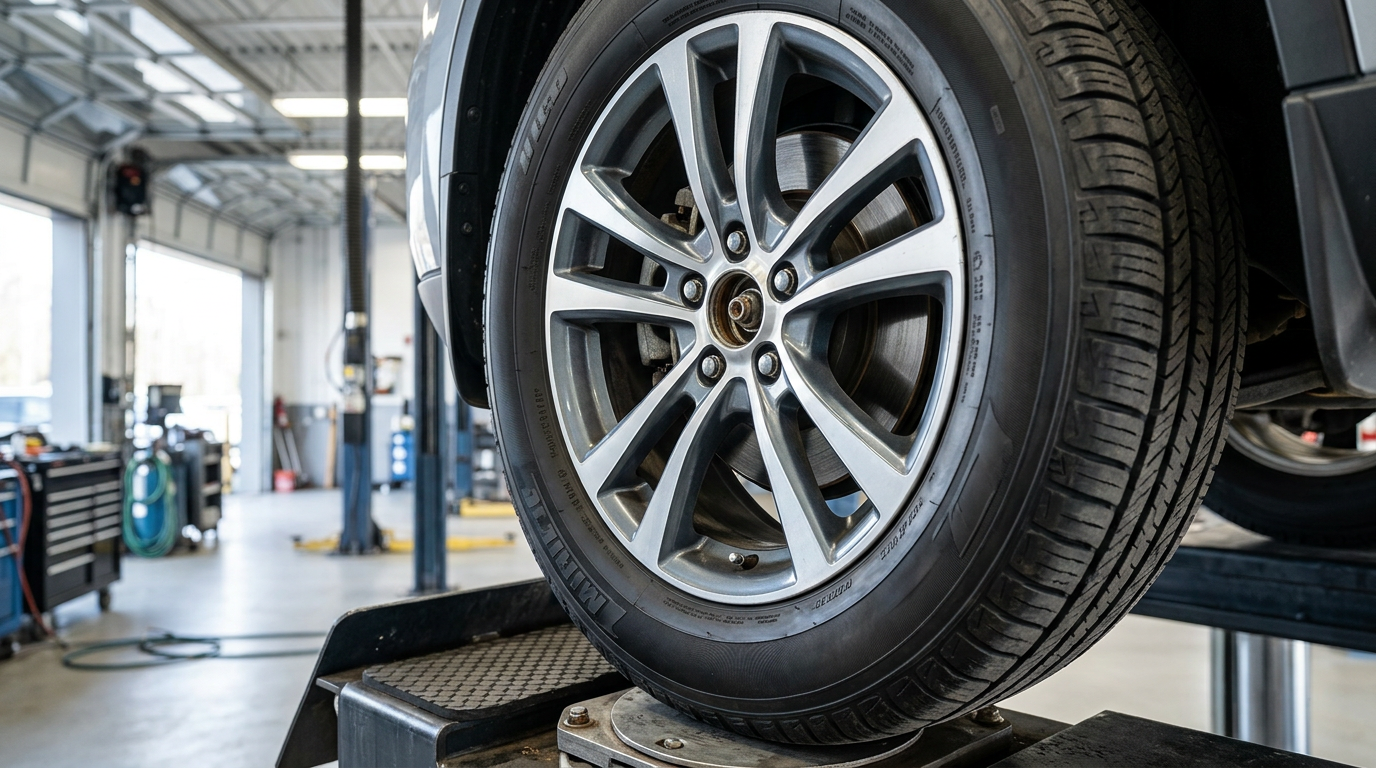 Tire rotation is absolutely necessary for maintaining vehicle safety, traction, and tire longevity. Moving tires to different wheel positions evens out natural tread wear caused by steering, weight distribution, and drivetrain forces. Skipping regular rotations leads to premature tread loss, reduced wet-road grip, steering vibration, and costly early tire replacements. Performing this basic service every recommended service interval ensures your truck, SUV, or sedan handles predictably in all driving conditions.
Every tire on your vehicle experiences different mechanical stresses while driving. On front-engine vehicles, the front axle carries the heavy weight of the engine and transmission. The front tires also absorb the friction generated by turning, cornering, and the majority of braking force. Meanwhile, the rear tires primarily follow in a straight line, enduring completely different force profiles. Without repositioning, your front tires will wear out significantly faster than the rear set, creating an imbalance that compromises handling stability during sudden maneuvers.
Routine maintenance keeps your vehicle dependable for family trips, daily commutes, and towing. Our service advisors frequently speak with local drivers who haul boats or campers near Smithville Lake, noting that heavy cargo and mixed road surfaces speed up front-tire wear much faster than rear wear. Swapping wheel positions according to manufacturer specifications balances out those localized physical forces so all four tires wear down at an equal rate.
Protecting your vehicle does not require complicated service routines. If you ever have questions about your current tread depth or vehicle handling, you can easily find our Smithville dealership address for quick maintenance guidance, or give our service team a call at (816) 532-0800 to discuss your maintenance schedule.
Table of Contents
- How Tire Rotations Promote Even Tread Wear and Protect Vehicle Handling
- Understanding Tire Rotation Patterns for FWD, RWD, and AWD Ford Models
- What Driving Symptoms and Mechanical Damage Result From Neglecting Rotations?
- Should Tire Rotations Be Paired With Scheduled Engine Oil Changes?
- Frequently Asked Tire Service Questions from Local Drivers
- Keep Your Ford Running Strong with Expert Maintenance at Smithville Ford, LLC
How Tire Rotations Promote Even Tread Wear and Protect Vehicle Handling
Regular tire rotations promote even tread wear across all four wheels, directly extending overall tire lifespan, preserving wet-weather traction, and preventing dangerous hydroplaning. By systematically changing where each tire sits on the chassis, tread depth remains balanced, allowing the tire compound to perform as designed throughout its entire usable life.
Tread rubber wears unevenly due to weight distribution and mechanical roles. Front tires undergo severe scrub during tight turns, while drive wheels bear the brunt of acceleration torque. When tread depth becomes mismatched between axles, the vehicle's road-holding capabilities diminish. Deep tread channels are essential for channeling water away from the contact patch. If front tires wear down to low tread levels while rear tires remain deep, driving through heavy standing water causes water pressure to build under the front tires, lifting them off the road surface and causing hydroplaning.
Maintaining balanced tread depth yields clear economic and safety advantages:
- Extended Usable Tread Life: Alternating positions prevents specific edges, shoulders, or center tread blocks from wearing down prematurely, enabling you to get full mileage value out of the complete tire set.
- Consistent Wet Traction: Balanced tread depths across all four tires ensure consistent hydroplaning resistance and reliable emergency stopping distances on rain-soaked pavement.
- Improved Rolling Resistance: Smooth, uniformly worn tread rolls with minimal friction drag, helping maintain nominal fuel economy and engine efficiency over highway miles.
- Maximum Return on Investment: Performing inexpensive routine rotations delays the major expense of purchasing a fresh set of four tires long before it should be necessary.
To check tire sizing options or select exact replacement tires designed for your specific vehicle, explore our online tire finder tool. If you prefer to order factory maintenance components directly, browse our dedicated parts store for genuine replacement items.
Understanding Tire Rotation Patterns for FWD, RWD, and AWD Ford Models
Tire rotation patterns vary based on whether your vehicle uses front-wheel drive, rear-wheel drive, or all-wheel drive, as well as whether the tires feature directional tread patterns. Matching the correct pattern to your vehicle layout ensures tread wear distributes evenly across all four tires without damaging internal tire belting.
Front-wheel-drive vehicles put intense physical demands on the front axle because those wheels handle engine power delivery, vehicle steering, and primary braking forces. For non-directional tires on FWD vehicles, technicians typically employ a Forward Cross pattern. In this setup, the front tires move directly straight back to the rear axle, while the rear tires cross over diagonally to opposite sides of the front axle. This diagonal movement changes both the drive position and rolling direction, smoothing out uneven edge wear.
Rear-wheel-drive trucks and SUVs, along with 4WD models, frequently utilize a Rearward Cross pattern. The rear tires move straight forward to the front axle, while the front tires move diagonally backward to opposite sides of the rear axle. For permanent all-wheel-drive systems, such as Intelligent AWD, an X-Pattern or Rearward Cross is recommended. In an X-Pattern, all four tires cross diagonally—front left to rear right, front right to rear left—ensuring complete force redistribution across complex multi-differential drivelines.
For vehicles navigating agricultural routes around Trimble, gravel surfaces and uneven farm lane transitions make proper rotation crucial for keeping tread depth balanced across all four corners.
Directional tires—which feature tread designs optimized to roll in only one specific forward direction—require a strict front-to-back straight swap without cross-over, unless the tires are dismounted and remounted on the wheels. Vehicles equipped with staggered wheel sizes (where rear wheels are wider than front wheels) also follow side-to-side rotation patterns rather than front-to-back movement.
What Driving Symptoms and Mechanical Damage Result From Neglecting Rotations?
Neglecting tire rotations causes irregular tread wear patterns like cupping, feathering, and heel-toe wear, which generate noticeable cabin noise, steering wheel vibrations, and severe stress on suspension components. Over time, riding on uneven tread forces steering linkages and wheel bearings to absorb unbalanced road impacts, leading to premature mechanical failure.
When tires remain in a single wheel position for tens of thousands of miles, localized wear patterns begin to develop. Cupping occurs when worn shocks or unbalanced forces create scalloped dips along the tread edge. Feathering causes tread blocks to wear smooth on one side and sharp on the other, creating a high-pitched humming or roaring noise that worsens with vehicle speed.
Driving on severely uneven tires introduces continuous high-frequency vibration through the chassis. Key vehicle symptoms and secondary mechanical risks include:
- Steering Wheel Shake: Unbalanced front tread profile sends persistent feedback and shuddering through the steering column.
- Vehicle Pulling: Mismatched tread diameters between left and right sides cause the vehicle to drift or pull toward the side with lower rolling radius.
- Wheel Bearing Stress: Irregular tire contact patches generate uneven side loads, accelerating wear inside sealed wheel hub assemblies.
- Suspension Bushing Wear: Constant high-frequency vibration degrades rubber control arm bushings, tie rod ends, and shock absorber seals ahead of schedule.
Fixing suspension damage is far more costly than keeping up with basic tire service. Addressing tread wear early prevents minor tire irregularities from turning into major chassis repairs.
Should Tire Rotations Be Paired With Scheduled Engine Oil Changes?
Pairing tire rotations directly with your vehicle's scheduled engine oil change every recommended service interval is the most effective way to ensure consistent maintenance without taking extra trips to the shop. Aligning these two services creates a predictable routine that keeps both your engine and your tires in peak operating condition.
Modern motor oils and intelligent oil-life monitoring systems generally call for service intervals in the 5,000 to 7,500-mile range under standard driving conditions. Because tire manufacturers recommend rotating tires within that exact same mileage window, completing both tasks during a single service visit saves time and ensures your vehicle receives a thorough multi-point inspection several times a year.
During a combined oil and tire service visit, factory-trained technicians lift the vehicle on a hoist, inspect brake pad thickness, evaluate tire tread depth, check air pressures, and reset tire pressure monitoring systems after moving the wheels. Consulting your owner's manual provides the definitive mileage interval for your specific model and driving environment.
When it is time for your routine oil service, you can quickly schedule your service appointment online to keep your vehicle running smoothly through every season.
Frequently Asked Tire Service Questions from Local Drivers
Q: What happens if I never rotate the tires on my car?
If you never rotate your tires, the front tires will wear down twice as fast as the rear set on most front-engine vehicles. This creates a severe tread depth mismatch, increases wet-weather hydroplaning risk, produces loud humming road noise, and causes steering vibration. Eventually, you will be forced to buy two replacement tires early rather than maximizing the lifespan of all four.
Q: Can uneven tire wear lower my vehicle's overall fuel economy?
Yes, unevenly worn tires increase rolling resistance. When tread blocks develop feathering, cupping, or uneven shoulder wear, the tire no longer rolls smoothly against the road surface. The engine must consume extra fuel to overcome that added friction drag, gradually reducing your overall miles per gallon.
Q: Do electric vehicles require tire rotations more frequently than gas vehicles?
Electric vehicles often benefit from frequent tire rotations due to instant electric motor torque and heavy battery packs. Instant acceleration and heavier curb weights place greater instantaneous stress on drive wheels, accelerating tread wear. Checking tread depth every 5,000 miles helps EV owners maintain balanced wear and preserve range.
Q: How do technicians adjust tire pressure monitoring systems after a rotation?
When tires are moved to new positions on the vehicle, the electronic sensors inside each wheel must be relearned to the vehicle computer so the dashboard display correctly identifies which tire is low. Technicians use a handheld service tool or onboard menu procedure to recalibrate sensor positions immediately following the physical tire swap.
Q: Is rotating tires worthwhile if I drive very few miles each year?
Yes, low-mileage vehicles still benefit from regular tire rotations performed on a time basis, such as once every six months to a year. Gravity, vehicle weight resting on one spot, and environmental exposure affect parked tires. Rotating them prevents flat-spotting, distributes sidewall weathering evenly, and ensures rubber remains flexible for weekend trips.
Keep Your Ford Running Strong with Expert Maintenance at Smithville Ford
Regular tire maintenance is a simple, cost-effective habit that pays major dividends in vehicle safety, passenger comfort, and long-term durability. By sticking to a consistent rotation routine, you protect your steering components, maximize fuel efficiency, and ensure predictable traction during rainy weather and rough road conditions.
Our factory-trained technicians at Smithville Ford are committed to helping you keep your truck, SUV, or crossover operating at its best. Whether your vehicle is due for a scheduled engine oil service, brake check, multi-point inspection, or tire rotation, our friendly service team delivers transparent care and practical advice tailored to your daily driving routine.
Whenever you need routine maintenance or professional tire inspection, visit our convenient Smithville service center or call our team directly at (816) 532-0800 to set up your next service visit.
© 2026 Smithville Ford, LLC. All rights reserved.